
20 Jul Why Does IBS Happen?
I have successfully treated many people, of all ages over the years for IBS, but rarely do they question, “why does IBS happen?”. Let us explore the possible causes of Irritable Bowel Syndrome.
Irritable Bowel Syndrome (IBS) is a common digestive condition that affects up to 15% of the global population. Symptoms include abdominal pain, bloating, constipation, diarrhoea, and changes in bowel habits. But why does IBS happen, and what can trigger or worsen the condition?
Researchers have found that IBS doesn’t have a single cause — it’s a complex disorder with multiple contributing factors. If you’re wondering why IBS happens, this article breaks down the most well-supported explanations behind it.
Why Does IBS Happen? 7 Key Causes Explained
- Disruption in the Gut-Brain Axis
One of the main answers to “why does IBS happen?” lies in the gut-brain axis — the communication pathway between your brain and your digestive system. In people with IBS, this connection can become dysregulated, leading to heightened pain sensitivity, altered digestion, and discomfort even during normal gut activity.
- Abnormal Gut Motility
IBS often involves irregular movements in the digestive tract. These can be:
- Too fast (causing diarrhoea)
- Too slow (leading to constipation)
- Or a mix of both
This disrupted motility is part of why IBS happens and why symptoms vary from person to person.
Stress and Mental Health factors
- Stress and Mental Health Factors
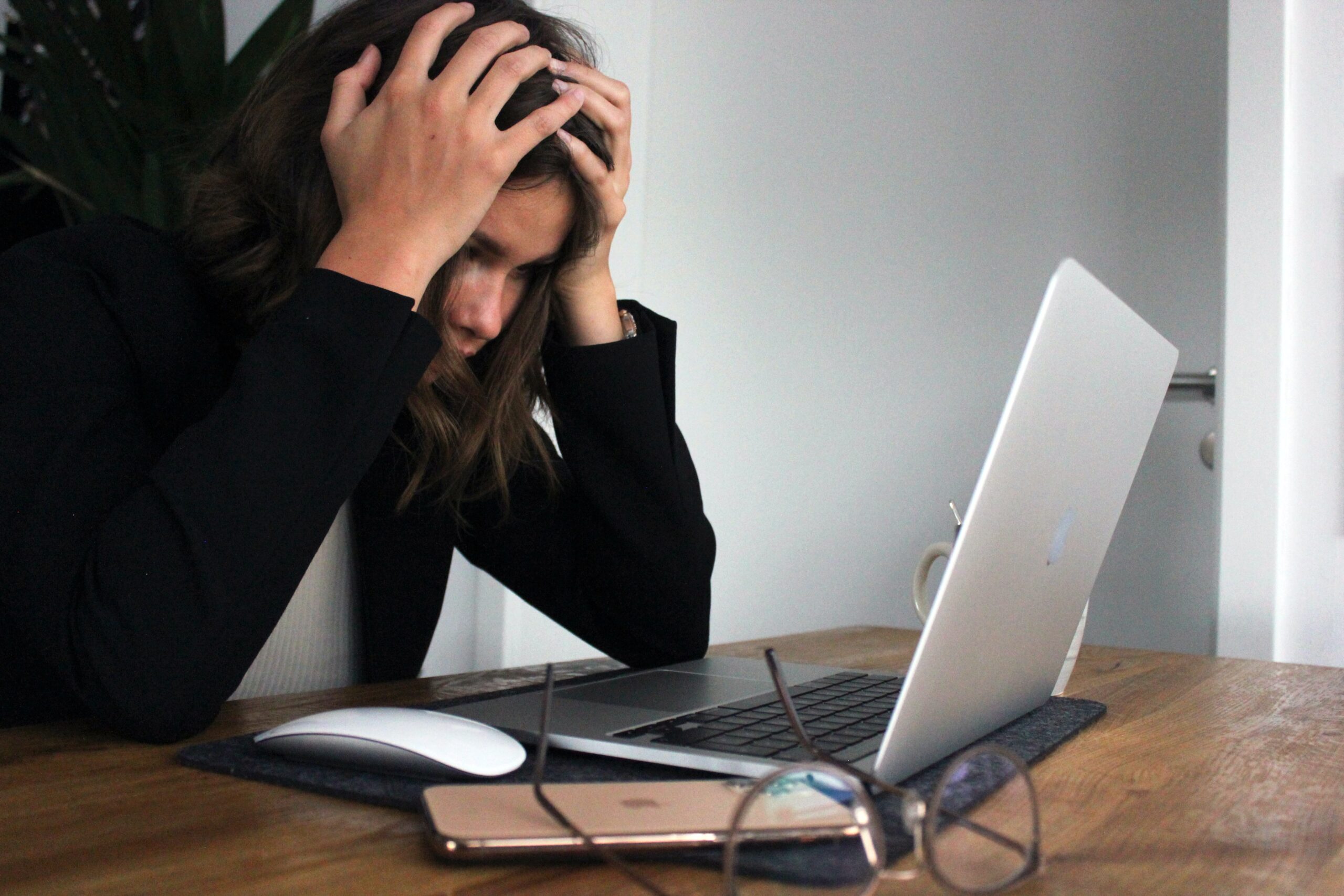
Stress can cause IBS, as it plays a major role in upsetting the nervous system, therefore triggering or worsening symptoms. Anxiety, depression, and chronic stress all affect the digestive system and gut function. This emotional influence is another reason why IBS happens, especially in people with an already sensitive digestive system. This is why my Deluxe Food Intolerance option is highly effective and popular.
- Imbalance in the Gut Microbiome
Your gut contains trillions of bacteria that help with digestion, immunity, and more. People with IBS often have a different composition of gut bacteria, which may lead to increased gas, bloating, and sensitivity. In some cases, IBS develops after a stomach infection or after a bout of food poisoning. This imbalance can also occur after a virus, after anti-biotic use and when the diet is poor.
- Food Intolerances and Diet
Certain foods can trigger or aggravate IBS symptoms. This includes:
- Food Intolerances
- Fatty or fried foods
- Caffeine and alcohol
- High-FODMAP foods (like onions, garlic, beans)
While food intolerances don’t fully explain why IBS happens, they do contribute to how symptoms appear and persist. Identifying your personal ‘problem foods’ is a great way to support your gut health and overall wellbeing.
- Hormonal Changes
Hormones, especially oestrogen and progesterone, can influence gut function. This may explain why IBS is more common in women, and why symptoms often change before/during menstruation, pregnancy, or menopause.
- Genetic and Family Factors
Though there’s no single “IBS gene,” people with a family history of IBS may be more likely to develop it. Genetics may influence gut sensitivity, immune response, and stress reactivity — all of which help explain why IBS happens in certain individuals. However, you are not your ancestors so be careful that you are not inheriting a belief!
So, Why Does IBS Happen?
To summarise, IBS is caused by a combination of factors, not just one root issue. The most common contributors include:
- Gut-brain communication problems
- Abnormal intestinal movement
- Stress and psychological factors
- Gut microbiome imbalance
- Dietary triggers
- Hormonal changes
- Genetic predisposition
Understanding these causes is key to finding relief. My clients manage IBS successfully through a combination of dietary changes, stress reduction, and targeted treatments. I am proud to offer a variety of effective treatments to find the perfect solution for you.
Final Thoughts: Getting Help for IBS
So if you’re wondering whether your symptoms might be IBS-related, it’s time to talk to me. We can discuss which treatments you may need and take the first steps to recovery. IBS may be complex, but with the right approach, you can find relief and naturally improve your quality of life.

email – jackie@purebalancetherapy.co.uk
call – 07807255921